Top Reasons People Need an Emergency Dentist Right Away

Dental pain has a way of taking over everything. People who can ignore a sore shoulder for a week or work through a mild headache often find that a tooth problem is different. It can wake you at 2 a.m., make it hard to think clearly, and turn something as basic as drinking water into an ordeal. That is usually the moment people realize they do not need a routine appointment next month. They need an Emergency Dentist now.
From a clinical standpoint, dental emergencies are not just about pain. They are about preventing a manageable problem from becoming a far more expensive, invasive, and risky one. A cracked molar can become an infected tooth. A knocked-out front tooth can often be saved, but only if treatment happens quickly. A swollen gum can signal an abscess that is no longer confined to the mouth. Timing matters more in dentistry than many patients expect.
A lot of people hesitate because they do not want to overreact. That instinct is understandable. Nobody wants to rearrange their day, pay for urgent care, or sit in a dental chair if the issue could have waited. But in practice, the bigger problem I see is not people coming in unnecessarily. It is people waiting too long, hoping painkillers, salt water, or sleep will somehow reverse a problem that has already crossed into emergency territory.
When a dental problem stops being routine
There is a difference between something that is uncomfortable and something that is urgent. Mild sensitivity to cold after whitening treatment, for example, may be annoying but not an emergency. A little tenderness after braces are adjusted is usually expected. On the other hand, pain that throbs, swelling that spreads, bleeding that will not stop, or a tooth that has been physically damaged all deserve prompt attention.
An Emergency Dentist is trained to sort out that distinction quickly. The goal is not only to stop pain but to identify the cause, stabilize the area, and protect the tooth, gums, or jaw from further damage. Sometimes the fix is straightforward, such as smoothing a broken edge and placing a temporary restoration. Sometimes it involves draining an infection, replacing a lost filling, reimplanting a tooth, or prescribing medication when the situation calls for it. The point is that delays narrow your options.
One practical rule I give patients is simple: if the problem is interfering with eating, sleeping, speaking, or normal daily function, it deserves urgent evaluation. Teeth and surrounding tissues do not have much spare room for inflammation. Once pressure builds inside or around a tooth, symptoms can escalate fast.
Severe toothache that does not ease up
The most common reason people seek emergency dental care is severe pain. Not the kind that passes when you stop chewing on one side, but the kind that pulses, radiates into the jaw or ear, and makes concentration nearly impossible. This type of pain often means inflammation has reached the tooth’s nerve or that infection is brewing beneath the surface.
Patients often describe the progression in a familiar way. At first, the tooth only hurt with cold drinks. Then it became sensitive to sweets. A few days later, it ached on its own. Then one night the pain became sharp, deep, and relentless. By that stage, a simple cavity may no longer be a simple cavity. The tooth may need root canal treatment, drainage of infection, or at the very least immediate assessment to prevent worsening.
What makes this urgent is not only discomfort. Dental pain can indicate pressure inside a closed space. When the pulp of the tooth becomes inflamed, there is nowhere for that swelling to go. The result can be intense pain and tissue damage. Over-the-counter medication may dull symptoms for a few hours, but it does not resolve the source. People sometimes take repeated doses of painkillers, manage to get through the weekend, and then show up with visible swelling and a more complicated problem on Monday.
There is also a trade-off worth mentioning. Not every toothache ends in root canal therapy, and sometimes what feels like tooth pain turns out to be a cracked filling, sinus pressure, grinding-related inflammation, or food packed between teeth. That uncertainty is precisely why prompt evaluation matters. Guessing can cost time you do not have.
Swelling, abscess, and signs of infection
Facial swelling is one of the clearest signals that you should not wait. A dental abscess can start as a localized infection near the root of a tooth or along the gumline, then spread into nearby tissues. Once infection extends beyond the immediate tooth area, the stakes rise. Swelling can affect the cheek, jaw, under-eye area, or neck. Fever, a bad taste in the mouth, pus drainage, and difficulty opening the mouth are all warning signs.
Many people are surprised by how serious oral infections can become. The mouth contains abundant bacteria, and while most are normally harmless within their usual environment, they can cause significant problems when they invade deeper tissues. A tooth abscess is not the same as a pimple you can ignore. Infection can spread through connective spaces in the face and neck. That is why dentists take rapidly enlarging swelling very seriously.
A patient once described waiting because the pain had actually decreased. That can happen when pressure finds a pathway to drain, and it creates a false sense of improvement. But the infection itself may still be active. If the face is puffy, the gum is swollen, or there is a bump near the tooth that drains off and on, the right move is urgent care, not optimism.
A knocked-out tooth is a race against the clock
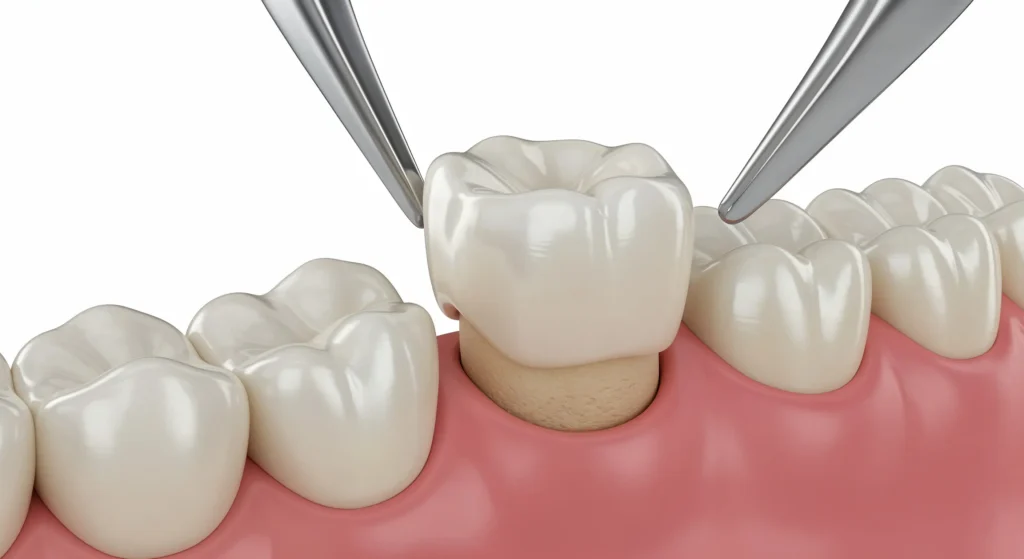
Trauma is another major reason people need an Emergency Dentist right away, especially when a tooth has been knocked out completely. This is one of the few situations where minutes can genuinely affect whether the natural tooth can be saved. The cells on the root surface begin to deteriorate once they dry out, and successful reimplantation becomes less likely as time passes.
Children, teenagers, athletes, and adults who take an accidental fall are the most common patients in this category. It might happen during a soccer game, on a wet kitchen floor, or while biking without realizing how quickly momentum turns into impact. Front teeth are particularly vulnerable.
If the knocked-out tooth is a permanent tooth, handling matters. Pick it up by the crown, not the root. If it is visibly dirty, rinse it gently with milk or saline if available, or clean water for only a few seconds. Do not scrub it. In some cases, placing it back in the socket is possible, but many people are understandably too rattled to do that. The next best option is keeping it moist, ideally in milk or a tooth preservation solution if one is available, and getting to an Emergency Dentist immediately.
A baby tooth is different. Reimplanting a primary tooth is generally not advised because of the risk of damaging the developing permanent tooth underneath. That distinction is another reason why a quick professional evaluation matters after dental trauma.
Broken, cracked, or fractured teeth
Not every broken tooth hurts at first, and that is one reason people underestimate it. A chipped edge on a front tooth may seem cosmetic, but if the fracture extends deeper than it appears, bacteria can enter and symptoms may follow later. A cracked molar may only hurt when biting down on something hard, then feel normal again until the crack worsens.
The nature of the break matters. A small chip in enamel is different from a fracture exposing dentin or pulp. Teeth can also split below the gumline, which is not always visible without an exam and radiographs. What patients often experience is a vague but repeatable pattern, pain when chewing, sudden sensitivity to cold, a rough sharp edge cutting the tongue, or a feeling that something is “not right” after biting an olive pit, popcorn kernel, or hard candy.
One of the frustrating truths about cracked teeth is that they can be unpredictable. Some are repairable with bonding or a crown. Others need root canal treatment if the nerve is involved. Some vertical fractures, especially those extending toward the root, may not be savable. Acting early improves the odds because the tooth has had less time to flex, leak bacteria, or fracture further.
Teeth often break at inconvenient times, during dinner, before a trip, or late on a Friday. People sometimes try to “be careful” and wait a week. In reality, every chewing cycle risks making the crack worse.
Lost fillings, crowns, and dental work that suddenly fails
A lost filling or crown may not sound dramatic, but it can become urgent quickly depending on the tooth and symptoms. Once a restoration comes off, the exposed area may be extremely sensitive, especially to cold air or liquids. The underlying tooth can also be structurally weakened. That means normal chewing can break more of it away.
Crowns often loosen because the cement seal has failed, decay has developed underneath, or the tooth structure has changed. Fillings can fall out when recurrent decay undermines them or when the remaining walls of the tooth are too thin to support them any longer. What looks like a restoration problem is sometimes really a tooth problem that has finally declared itself.
There is also the issue of fit. A crown that comes off cleanly may be temporarily recemented in some situations if the tooth beneath is still sound. But if the crown no longer fits properly, forcing it back into place at home can create more trouble. Temporary dental cement from a pharmacy can sometimes protect a tooth for a brief period, but that is not a substitute for proper care. The exposed tooth can shift, become more sensitive, or fracture if left untreated.
Uncontrolled bleeding after dental work or injury
Bleeding that persists after a tooth extraction, gum injury, or trauma to the mouth deserves prompt attention. Mild oozing after an extraction is common. Steady bleeding that soaks gauze repeatedly for hours is not. Sometimes the cause is simple, such as a clot that was disturbed by vigorous rinsing, smoking, or using a straw too soon. Sometimes there is an underlying issue with the site, the surrounding tissue, or a patient’s medication profile.
Soft tissue injuries can look worse than they are because the mouth is so vascular, but they still need proper evaluation. Cuts to the lips, cheeks, gums, or tongue may require cleaning, pressure, suturing, or assessment for embedded tooth fragments. It is not unusual after a fall for a person to focus on the broken tooth and miss a deeper laceration nearby.
For anyone taking blood thinners or managing a bleeding disorder, the threshold for urgent evaluation should be lower. What settles in one patient may persist in another. The mouth does not lend itself well to makeshift home bandaging, so professional management is often the safer route.
Jaw injury, bite changes, and teeth that suddenly do not meet right
A blow to the face can injure more than teeth. If the bite feels off after trauma, the jaw is difficult to open or close, or teeth seem displaced, emergency dental assessment is important. Teeth can be luxated, meaning pushed out of position without being fully knocked out. They may look longer, shorter, or angled compared with the neighboring teeth. These injuries can involve the periodontal ligament, surrounding bone, or the tooth nerve.
Bite changes are worth paying attention to even without dramatic pain. A patient may say, “My teeth don’t line up anymore,” or “I can only close comfortably on one side.” Those details matter. They can point to a displaced tooth, a fractured cusp, swelling around the joint, or in some cases a jaw fracture. Dentistry and medicine overlap in facial trauma, and an Emergency Dentist often helps determine whether the injury can be managed in the office or needs hospital-based care.
Sudden gum pain is not always minor
People often assume emergencies only involve teeth, but gums can create urgent situations too. A painful swelling between teeth, a gum abscess, or significant inflammation around a partially erupted wisdom tooth can become severe fast. Pericoronitis, the infection and swelling around a partly erupted wisdom tooth, is notorious for causing throbbing pain, bad breath, trouble swallowing, and limited mouth opening. Left alone, it can move from miserable to dangerous.
Gum infections also have a way of trapping debris and bacteria where brushing cannot reach. Patients may report that the area feels “puffed up” or that the gum is so tender they cannot clean https://kameronrush297.scriblorax.com/posts/emergency-dentist-care-for-late-night-toothaches-and-swelling it. That cycle, pain leading to less cleaning leading to more inflammation, often accelerates the problem.
A few signs that should move you to the front of the line
Some symptoms are clear signals that routine scheduling is the wrong approach. If any of these are happening, contacting an Emergency Dentist promptly is the prudent choice:
- Swelling in the face, jaw, or gums, especially if it is spreading
- Severe pain that prevents sleep or normal eating
- A permanent tooth that has been knocked out or displaced
- Bleeding that does not stop with pressure
- Fever, pus, or difficulty swallowing along with dental pain
That last point deserves extra emphasis. Once difficulty swallowing, trouble breathing, or significant neck swelling enters the picture, you may need emergency medical care immediately, not just dental care. Dentists are often the first stop for oral infections, but some situations move beyond office treatment and require hospital evaluation.
What to do while you are trying to be seen
The hours between the onset of a dental emergency and the actual appointment matter. Good first-aid steps can reduce damage and improve comfort without masking a serious problem.
- Rinse gently with warm salt water if the area is irritated or there is debris
- Use a cold compress on the outside of the face for swelling or trauma
- Keep any broken tooth fragment or knocked-out tooth moist and bring it with you
- Take over-the-counter pain medicine only as directed on the label, unless your clinician has told you otherwise
- Avoid chewing on the affected side and skip very hot, cold, or sugary foods if they trigger pain
There are also a few things not to do. Do not place aspirin directly on the gum, which can burn tissue. Do not use glue to reattach a crown or broken tooth. Do not ignore numbness after trauma, especially if it lingers. And do not assume antibiotics alone will fix a dental infection. When there is a source, such as a dead tooth or trapped infection, that source usually needs treatment.
Why delay usually costs more than urgency
One of the quiet reasons people postpone emergency dental care is money. They hope that if they can get through a few days, the problem might settle or become manageable until a routine visit. Unfortunately, dental problems rarely move in that direction. A small cavity restored early is one cost. The same tooth, after the nerve becomes infected, may require root canal therapy, a buildup, and a crown. If it fractures beyond repair, now the discussion may involve extraction, bone preservation, and an implant or bridge.
There is also the human cost. Lost sleep, missed work, canceled travel, inability to eat normally, and the strain of constant pain are real consequences. I have seen patients who waited because they had a busy week, only to spend an entire weekend in worsening pain and then need more extensive treatment than they would have a few days earlier.
Urgent care is not always the most expensive route. Quite often, it is the route that preserves simpler options.
The emotional side of dental emergencies
Dental emergencies do not happen when people are calm and prepared. They happen in the middle of a workday, during vacations, at family dinners, and late at night when every problem feels larger. Fear tends to distort judgment. Some people downplay symptoms because they dread dental treatment. Others panic because any mouth pain feels catastrophic.
An experienced Emergency Dentist does more than treat the tooth. They triage, reassure, explain what is happening, and help patients understand which part is urgent and which part can be planned later. That matters. Not every emergency can be fully finished in one visit. Sometimes the first priority is relieving pain, stopping infection, stabilizing a tooth, or protecting a damaged area until definitive treatment can be completed. That is still meaningful progress, and often exactly what the patient needs.
Knowing when to act
Most people do not need to memorize every dental diagnosis. They just need a practical sense of when the problem has crossed a line. If there is severe pain, visible swelling, bleeding that persists, trauma to the teeth or jaw, or a restoration failure that leaves the tooth exposed and highly sensitive, it is time to seek help.
The strongest reason people need an Emergency Dentist right away is simple. Dental problems tend to worsen on their own timetable, not yours. The mouth gives some warning, but not always much. Fast treatment can save a tooth, contain an infection, reduce cost, and spare a great deal of suffering. When symptoms are significant, waiting is rarely the safer bet.
Simple Dental Vermont
Address: 8914 S Vermont Ave, Los Angeles, CA 90044
Phone number: +13239493000
FAQ About Emergency Dentist Los Angeles CA
What can the ER do for a tooth?
The emergency room can provide temporary symptom relief for a bad tooth, such as prescribing pain medicine or antibiotics, but it cannot fix the actual dental problem.
What is the 3-3-3 rule for tooth infection?
The 3-3-3 rule for a toothache or infection typically means taking three 200 mg ibuprofen tablets (600 mg total) three times a day for no more than three days to control pain and swelling while waiting to see a dentist.
What do you do if you have a dental emergency but no dentist?
If you have a dental emergency and no regular dentist, you should search for an urgent care dental clinic, call local walk-in dental offices, or go to a hospital emergency room if you have severe bleeding, swelling, or trouble breathing.